

A Parent’s Quest for a Kid’s Career
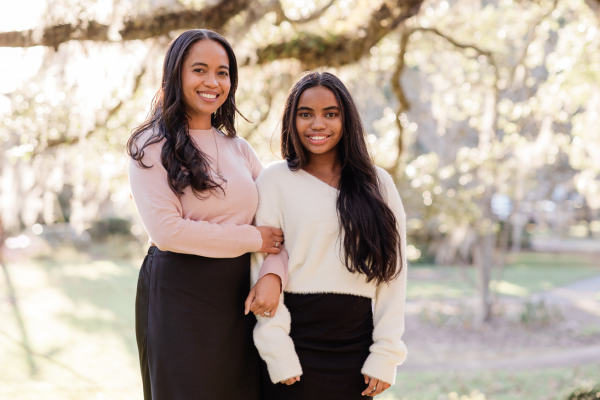
When my daughter, Ayanna, turned 14 and finished middle school last summer, I signed her up for a career exploration summer camp against her will. Yup, that’s right. I was a mom on a mission. My creative, hands-on kid who loves to draw had barely gotten any clues during her middle school experience about what’s out there for her in the real world. Hence, me panic-registering for a career exploration camp while facing a four-year countdown to a graduating baby-adult.
Please allow me to pat myself on the back for this excellent mom move! This summer camp was packed with hands-on activities for students to get a feel for a variety of career areas. Each day covered a different theme, and rather than just rehashing academic content from the school year, the camp focused on connecting subject matter content to real jobs that exist in the world. For example, Ayanna had just wrapped up biology and learned all kinds of science stuff about the human body. However, the activities at camp took things a step further. Camp leaders spoke with students about the cardiology field and campers learned how to check their heart rates. And even though Ayanna ultimately determined that healthcare wasn’t her thing, the experience was still a win! Knowing what you don’t want to do is just as important as knowing what you do.
This camp experience was all well designed and purposeful. I had the pleasure of talking to Jordan Hall, the Education Manager at the Challenger Learning Center (CLC) where the camp was offered here in Tallahassee, Florida. Mrs. Hall wanted to take the benefits that she saw kids experience throughout their field trips to the CLC during the year—featuring space mission simulations, for example!—and expand that to a week-long summer camp opportunity with a broader array of career pathways to offer other ways for students to apply the skills they gained through the year. “Middle school is the time where students develop a sense of self in the workspace. They have hobbies, but they’re starting to make connections at home with careers. We want to give them as many pathways and examples as possible. Let’s figure out what you like and why you like it, and you can grow career paths from there.”
Here’s the thing: I think most people would agree that career exploration is important and that we want it to look like this. And there’s increasing evidence that this needs to happen earlier, and middle school is the sweet spot for that. Students at this age are developmentally ready to engage in exploration and planning, and this offers a chance to make personal connections to what they’re learning, increasing student engagement at a time when they’re at risk for disengagement. None of this is surprising, of course; and I think generally the adults in education want to ensure middle school students have quality career exploration experiences.
I knew the importance and value of providing Ayanna with deeper career exploration opportunities, including the camp experience. But too many middle school students aren’t getting these opportunities with enough depth or consistency.
The good news is that most states have policies that require some sort of career exploration during this important, transitional phase. The less-good news? Too often, students aren’t getting those opportunities in a real meaningful way. I can attest to Ayanna’s experience, but this is something we found consistently across a group of middle school students we spoke with about their career exploration experiences (or rather, lack thereof). And this isn’t an “oh-they’ll-get-it-later” situation either; a recent study showed that 70% of Gen Z students are not ready for life after graduation. That’s way too many students who are uncertain about their futures! We need to do better.
Students need time to think about who they are and how their interests and aptitudes connect to a career. They need to start building the muscle associated with connecting subject matter content to an actual job that exists that they can train for. And it won’t happen with one field trip, career fair, or even a very awesome summer camp; we need to regularly provide high-quality, hands-on experiences. Growing adolescents are complicated little humans; they’re figuring out who they are. They will need ongoing opportunities to see what potential industries might work for them, the occupations in those industries that have the best chance of giving them a good life, and the space to figure out what it takes to get to those careers.
As an education policy person, I think a lot about how this can work on a systems level. In fact, last year ESG and Britebound brought together five states to make this kind of engaging career exploration a reality for more middle schoolers. As part of our Middle School Career Exploration Impact & Learning Network, we produced a joint commitment statement that reflects five principles for what middle school career exploration should look like, as well as a set of model policies to help states build their policy framework to set expectations for districts and schools. We are making great strides to build the field for this work, and this gets my little policy heart excited! However, as a parent, I’m still thinking about how to embody this philosophy at home.
As for Ayanna, she’s starting to have some budding ideas around general industries that interest her. It’s not a locked-down career goal—and that’s okay. What we have is an ongoing conversation. An awareness that exploration is key. An occasional little nudge to look into a certain direction or engage in a little social capital to get closer to her answer. All of this is because we started exploring in earnest while she was in middle school. We are in a good place; and I can’t wait to see where her path leads her!

